


Bitcoin Market Cycles Explained: Understanding Market Trends
- Kevin- DADS DeFi Space
- May 7
- 5 min read

When I first started exploring Bitcoin and the broader crypto space, one thing quickly became clear: the market moves in cycles. These cycles can feel like a rollercoaster, with exhilarating highs and gut-wrenching lows. But understanding these patterns is crucial if you want to navigate the market with confidence and avoid common pitfalls. Today, I want to share what I’ve learned about bitcoin market cycles explained in a way that’s practical, clear, and grounded in real-world experience.
Whether you’re trading, investing, or just curious about how Bitcoin’s price trends evolve, this post will break down the key phases of Bitcoin’s market cycles, why they happen, and how you can use this knowledge to make smarter decisions.
What Are Bitcoin Market Cycles?
Bitcoin market cycles are recurring phases of price movement that tend to follow a somewhat predictable pattern over time. These cycles are driven by a mix of factors including investor psychology, macroeconomic events, technological developments, and regulatory changes.
Typically, a Bitcoin market cycle includes:
Accumulation Phase: Prices are relatively stable or slowly rising. Smart money and long-term investors start buying quietly.
Uptrend / Bull Market: Prices rise rapidly as enthusiasm and media attention grow.
Distribution Phase: Early investors begin to take profits. The market shows signs of topping out.
Downtrend / Bear Market: Prices decline, sometimes sharply, as fear and uncertainty dominate.
Understanding these phases helps you recognize where the market might be headed next. It’s not about predicting exact prices but about reading the market’s mood and positioning yourself accordingly.

Bitcoin Market Cycles Explained: The Four Key Phases
Let’s dive deeper into each phase of the Bitcoin market cycle and what it means for your strategy.
1. Accumulation Phase
This phase often follows a significant market downturn. Prices are low, and many investors are still skeptical or fearful. However, this is when savvy investors start accumulating Bitcoin quietly. The market is generally less volatile, and trading volumes may be lower.
Why it matters: This phase offers some of the best buying opportunities. The risk is lower because prices have already corrected, but it requires patience and conviction.
Example: After the 2018 bear market, Bitcoin spent months in accumulation before the next bull run began in late 2020.
2. Bull Market (Uptrend)
Once accumulation reaches a tipping point, prices start to rise steadily. Media coverage increases, and more retail investors jump in, often driven by FOMO (fear of missing out). This phase can see rapid price appreciation and high volatility.
Why it matters: This is the phase where many investors make significant gains. However, it’s also when risk increases because prices can become overextended.
Tip: Consider taking partial profits during this phase to lock in gains and reduce exposure.
3. Distribution Phase
At the peak of the bull market, early investors begin to sell and take profits. The market may show signs of topping out, such as increased volatility, sideways price action, or sudden sharp drops.
Why it matters: This phase signals a potential reversal. Holding on too long can lead to losses if the market turns bearish.
Example: The late 2017 Bitcoin peak was followed by a distribution phase where many investors sold before the 2018 crash.
4. Bear Market (Downtrend)
Prices decline, sometimes sharply, as panic selling and negative sentiment take hold. This phase can last months or even years. It’s often the hardest for investors emotionally but also sets the stage for the next accumulation phase.
Why it matters: It’s important to manage risk and avoid panic selling. This phase can also present opportunities for long-term investors to buy at discounted prices.
How to Use Bitcoin Cycle Analysis in Your Strategy
Understanding these cycles is one thing, but applying that knowledge is where the real value lies. Here are some practical ways to incorporate bitcoin cycle analysis into your trading or investing approach:
1. Define Your Risk Tolerance and Time Horizon
Are you a short-term trader looking to capitalize on price swings, or a long-term investor focused on holding through cycles? Your approach to market cycles should align with your risk tolerance and goals.
2. Use Technical Indicators to Confirm Phases
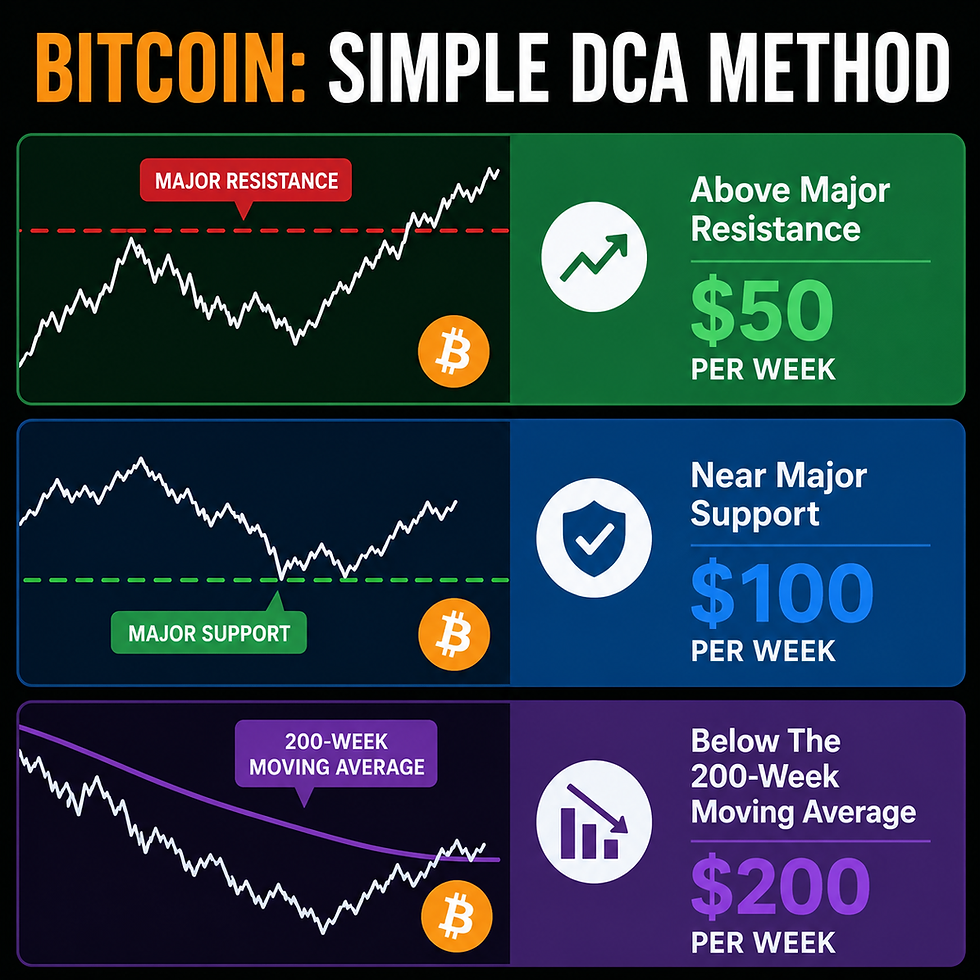
While cycles provide a broad framework, technical analysis tools like moving averages, RSI (Relative Strength Index), and volume trends can help confirm which phase the market is in.
3. Diversify Your Portfolio
Cycles can be unpredictable, and no one can time the market perfectly. Diversifying across different assets and sectors within crypto and DeFi can reduce risk.
4. Set Clear Entry and Exit Points
Based on your understanding of the cycle phase, set realistic price targets and stop-loss levels. This helps avoid emotional decisions during volatile periods.
5. Stay Informed but Avoid Hype
Market sentiment can shift quickly. Stay updated on macroeconomic news, regulatory changes, and technological developments, but avoid getting swept up in hype or panic.

The Bigger Picture: Why Bitcoin Cycles Matter in DeFi and Web3
Bitcoin’s market cycles don’t exist in isolation. They influence and are influenced by the broader crypto ecosystem, including DeFi protocols, Ethereum-based projects, and emerging Web3 platforms.
For example, during Bitcoin bull markets, increased liquidity and investor confidence often spill over into DeFi, driving up token prices and activity. Conversely, bear markets can lead to reduced trading volumes and tighter risk management across the ecosystem.
Understanding Bitcoin’s cycles helps you anticipate these ripple effects and position your portfolio accordingly. It also encourages a risk-first mindset, which is essential in the fast-evolving world of decentralized finance.
Navigating Risks in Bitcoin Market Cycles
No analysis is complete without acknowledging the risks. Bitcoin’s market cycles are influenced by many unpredictable factors:
Regulatory changes can cause sudden market shifts.
Technological issues or security breaches can impact confidence.
Macro events like inflation, interest rates, or geopolitical tensions affect investor behavior.
Market sentiment can be irrational and driven by emotions.
Because of this, it’s crucial to:
Avoid investing more than you can afford to lose.
Use risk management tools like stop-loss orders.
Keep a long-term perspective and avoid knee-jerk reactions.
Embracing the Journey: Learning from Bitcoin’s Market Cycles
Bitcoin’s market cycles are a natural part of its growth story. They reflect the evolving maturity of the asset and the community around it. By studying these cycles, you gain valuable insights into market psychology, risk management, and strategic investing.
Remember, no cycle lasts forever. The key is to stay informed, be patient, and adapt your strategy as the market evolves. Whether you’re experimenting with DeFi yield strategies, exploring new Web3 projects, or simply holding Bitcoin, understanding these cycles will help you make smarter, more confident decisions.
If you want to dive deeper into this topic, I recommend checking out this detailed bitcoin cycle analysis resource that breaks down historical trends and offers practical tools for traders and investors.
By embracing the rhythm of Bitcoin’s market cycles, you’re not just reacting to price movements—you’re learning to anticipate and navigate them with clarity and confidence. That’s the kind of edge every investor needs in the dynamic world of crypto.

Comments