


Decoding Bitcoin Cycles for Smarter Trading Decisions: Bitcoin Market Trends Explained
- Kevin- DADS DeFi Space
- Apr 27
- 4 min read

Understanding Bitcoin’s price movements can feel like trying to predict the weather in a new city. One day it’s sunny, the next it’s pouring rain. But just like meteorologists use patterns and data to forecast weather, traders and investors can use bitcoin market trends explained through cycles to make smarter decisions. As someone who’s both an educator and a crypto investor, I find that breaking down these cycles into digestible parts helps demystify Bitcoin’s often volatile nature.
Let’s dive into what Bitcoin cycles are, why they matter, and how you can use this knowledge to improve your trading and investment strategies.
What Are Bitcoin Cycles and Why Do They Matter?
Bitcoin cycles refer to the recurring patterns in Bitcoin’s price and market behavior over time. These cycles are influenced by a mix of factors including supply dynamics, investor sentiment, macroeconomic events, and technological developments.
The most famous cycle is the Bitcoin halving cycle, which happens roughly every four years. During a halving, the reward miners receive for validating transactions is cut in half, reducing the rate at which new bitcoins enter circulation. This supply shock historically leads to significant price increases over the following months and years.
But cycles aren’t just about halvings. They also include phases like accumulation, uptrend, distribution, and downtrend. Recognizing these phases can help you avoid buying at the peak or selling at the bottom.
Why Should You Care?
Timing your trades better: Knowing where Bitcoin is in its cycle can help you decide when to enter or exit positions.
Risk management: Cycles highlight periods of higher volatility and risk, so you can adjust your exposure accordingly.
Long-term planning: Understanding cycles supports better portfolio allocation and helps set realistic expectations.

Bitcoin Market Trends Explained: The Four Phases of a Cycle
To make sense of Bitcoin’s price action, it helps to break down the cycle into four distinct phases:
1. Accumulation Phase
This phase occurs after a significant price drop or bear market. Prices stabilize and often trade sideways. Smart money and long-term investors start accumulating Bitcoin at discounted prices. Volume tends to be lower, and market sentiment is generally cautious or negative.
Example: After the 2018 crash, Bitcoin spent much of 2019 in accumulation before the next bull run.
2. Uptrend (Bull Market) Phase
Here, prices start rising steadily, often accelerating as more investors jump in. Media coverage increases, and FOMO (fear of missing out) drives demand. This phase can last months or even years, culminating in a peak.
Example: The 2017 bull run where Bitcoin surged from around $1,000 to nearly $20,000.
3. Distribution Phase
At the peak, early investors begin to take profits. The market becomes choppy with increased volatility. Sentiment is mixed, and volume spikes as buyers and sellers battle for control.
Example: Late 2017 to early 2018, when Bitcoin’s price fluctuated wildly before the crash.
4. Downtrend (Bear Market) Phase
Prices decline sharply or gradually, often wiping out gains from the previous bull run. Panic selling and negative sentiment dominate. This phase can last months or years until the market finds a bottom.
Example: The 2018 bear market where Bitcoin dropped from nearly $20,000 to around $3,200.
Understanding these phases helps you identify where Bitcoin currently stands and adjust your strategy accordingly.
How to Use Bitcoin Cycle Analysis in Your Trading Strategy
One of the most practical tools I use is bitcoin cycle analysis. It’s a way to combine historical data, technical indicators, and market psychology to anticipate future price movements.
Here’s how you can apply it:
1. Identify the Current Phase
Look at price charts, volume, and sentiment indicators. Are prices consolidating after a drop? You might be in accumulation. Is the market rallying with increasing volume? That’s likely an uptrend.
2. Use Technical Indicators Wisely
Indicators like the Relative Strength Index (RSI), Moving Averages (MA), and On-Balance Volume (OBV) can confirm cycle phases. For example, an RSI above 70 during an uptrend might signal overbought conditions, hinting at a possible distribution phase.
3. Set Entry and Exit Points Based on Cycle Phases
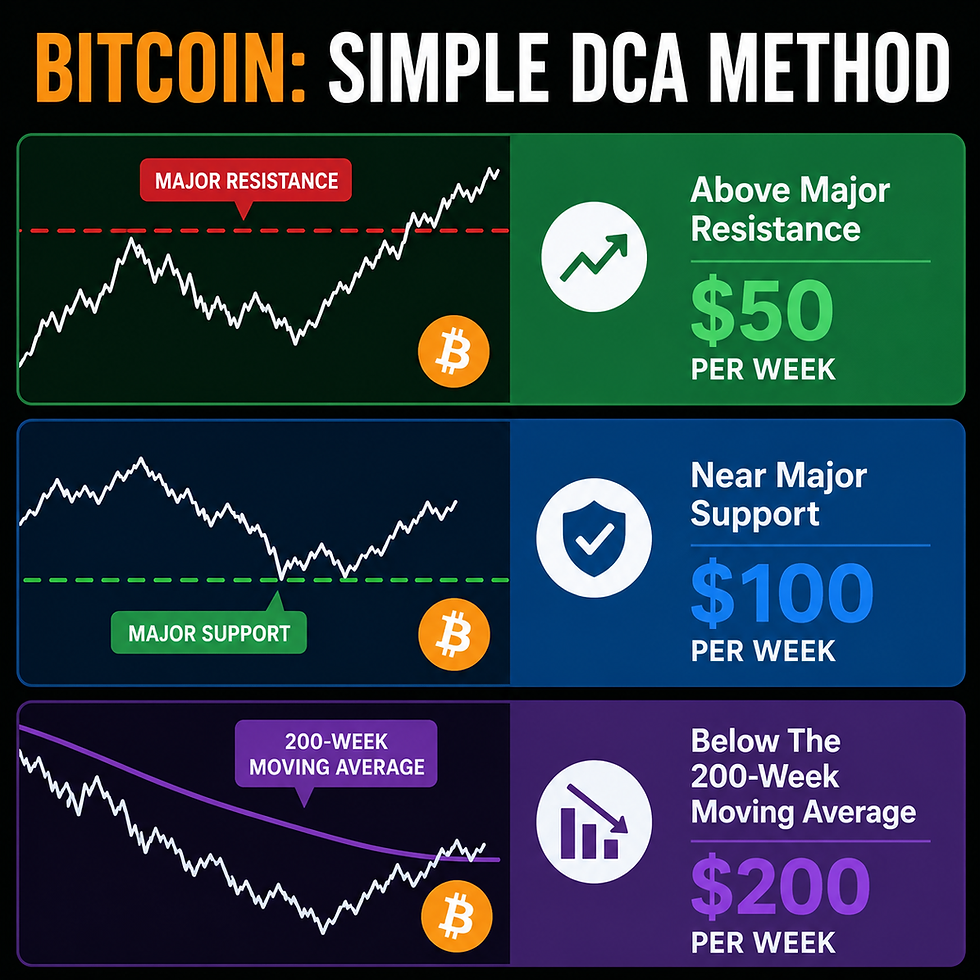
Accumulation: Consider buying gradually, focusing on dollar-cost averaging to reduce risk.
Uptrend: Ride the momentum but set stop-loss orders to protect gains.
Distribution: Start taking profits and tighten stop-losses.
Downtrend: Avoid panic selling; consider accumulating if fundamentals remain strong.
4. Manage Risk with Position Sizing
Never put all your eggs in one basket. Adjust your position size based on the cycle phase and your risk tolerance. For example, smaller positions during volatile distribution and downtrend phases.
5. Stay Informed About Macro and On-Chain Factors
Bitcoin doesn’t exist in a vacuum. Regulatory news, macroeconomic trends, and on-chain metrics like hash rate and wallet activity can influence cycles.

Common Pitfalls When Trading Bitcoin Cycles
Even with a solid understanding of cycles, mistakes happen. Here are some common pitfalls to avoid:
Chasing the top: Buying during the distribution phase often leads to losses.
Selling in panic: Dumping assets during a downtrend can lock in losses unnecessarily.
Ignoring fundamentals: Relying solely on technicals without considering broader factors can mislead.
Overtrading: Trying to time every move can increase fees and emotional stress.
Neglecting risk management: No strategy is foolproof; always use stop-losses and diversify.
Practical Tips for Smarter Bitcoin Trading Decisions
To wrap up, here are some actionable recommendations based on cycle insights:
Keep a trading journal: Track your trades, emotions, and outcomes to learn from experience.
Use dollar-cost averaging (DCA): This reduces the impact of volatility and helps during accumulation phases.
Set realistic goals: Understand that Bitcoin cycles can last years; patience is key.
Combine cycle analysis with other strategies: Use fundamental analysis, news monitoring, and portfolio diversification.
Stay educated: The crypto space evolves fast. Continuous learning helps you adapt.
By integrating cycle knowledge into your trading toolkit, you’ll be better equipped to navigate Bitcoin’s ups and downs with confidence and clarity.
Understanding Bitcoin cycles is not about predicting the future with certainty but about recognizing patterns and managing risk intelligently. With this approach, you can make smarter, more informed decisions that align with your investment goals and risk tolerance.
Happy trading!

Comments