


Essential Tips for Starting Crypto Investing for Beginners
- Kevin- DADS DeFi Space
- Jun 13
- 4 min read


Diving into cryptocurrency investment can feel like stepping into a vast, complex world filled with unfamiliar terms, rapid price swings, and a dizzying array of options. As someone who’s both an educator and a crypto investor, I understand the importance of clarity and structure when starting out. This post is designed to help you navigate the early stages of crypto investing with confidence, practical knowledge, and a clear sense of risk.
Understanding Crypto Investing for Beginners
Before you put your hard-earned money into Bitcoin, Ethereum, or any other digital asset, it’s crucial to understand what you’re getting into. Cryptocurrency is not just another asset class; it’s a new financial ecosystem built on blockchain technology. This means it operates differently from traditional stocks or bonds.
Here are some foundational points to keep in mind:
Volatility is the norm: Crypto prices can swing wildly in short periods. This is partly due to market sentiment, regulatory news, and the relatively smaller market size compared to traditional finance.
Decentralization matters: Many cryptocurrencies operate without a central authority, which can be empowering but also means less protection if something goes wrong.
Technology is key: Understanding the basics of blockchain, wallets, and smart contracts will help you make informed decisions.
Think of crypto investing as learning a new language. It takes time, patience, and practice. To get started on the right foot, I recommend checking out a beginner guide to cryptocurrency investing that breaks down these concepts in simple terms.

Setting Realistic Goals and Managing Risk
One of the biggest mistakes new investors make is jumping in with unrealistic expectations. Crypto is often portrayed as a get-rich-quick scheme, but the reality is far more nuanced. Setting clear, achievable goals and understanding your risk tolerance are essential.
Define Your Investment Objectives
Are you looking for long-term growth or short-term trading profits?
How much of your overall portfolio are you willing to allocate to crypto?
What is your exit strategy if the market turns against you?
Risk Management Strategies
Only invest what you can afford to lose: This is a golden rule in crypto investing. The market’s volatility means losses can be steep.
Diversify your holdings: Don’t put all your eggs in one basket. Consider spreading investments across different coins or tokens.
Use stop-loss orders: These can help limit losses by automatically selling your assets if prices fall below a certain point.
Stay informed: Keep up with market news, regulatory changes, and technological developments that could impact your investments.
By approaching crypto with a risk-aware mindset, you’ll be better equipped to handle the inevitable ups and downs.
Choosing the Right Platforms and Wallets
Where you buy, store, and manage your cryptocurrencies is just as important as what you invest in. Security and ease of use should be your top priorities.
Selecting a Crypto Exchange
Look for exchanges with strong security measures, transparent fee structures, and good reputations.
Consider whether the platform supports the cryptocurrencies you want to buy.
Check if the exchange offers educational resources and customer support.
Understanding Wallet Options
Hot wallets: These are connected to the internet and convenient for frequent trading but more vulnerable to hacks.
Cold wallets: Offline storage options like hardware wallets provide enhanced security for long-term holdings.
Practical Tip
Set up a hardware wallet if you plan to hold significant amounts of crypto for the long term. For smaller amounts or active trading, a reputable hot wallet linked to your exchange account can suffice.

Learning to Analyze Crypto Projects and Tokens
Not all cryptocurrencies are created equal. Some have strong use cases, active development teams, and growing communities, while others may be speculative or even scams. Developing the ability to analyze projects critically is a skill that will serve you well.
Key Factors to Evaluate
Technology and Use Case: Does the project solve a real problem? Is the technology innovative or widely adopted?
Team and Community: Who is behind the project? Are they transparent and active? Is there a supportive community?
Tokenomics: How is the token supply managed? Are there mechanisms to prevent inflation or encourage holding?
Roadmap and Partnerships: Does the project have clear milestones? Are there credible partnerships or integrations?
Avoiding Common Pitfalls
Don’t invest based solely on hype or social media buzz.
Be wary of projects promising guaranteed returns or unrealistic profits.
Take time to read whitepapers and independent reviews.
By combining these evaluation criteria, you can make more informed decisions and avoid costly mistakes.
Building a Sustainable Crypto Investment Strategy
Once you’ve done your homework, it’s time to put together a strategy that fits your goals and risk tolerance. Here are some practical approaches:
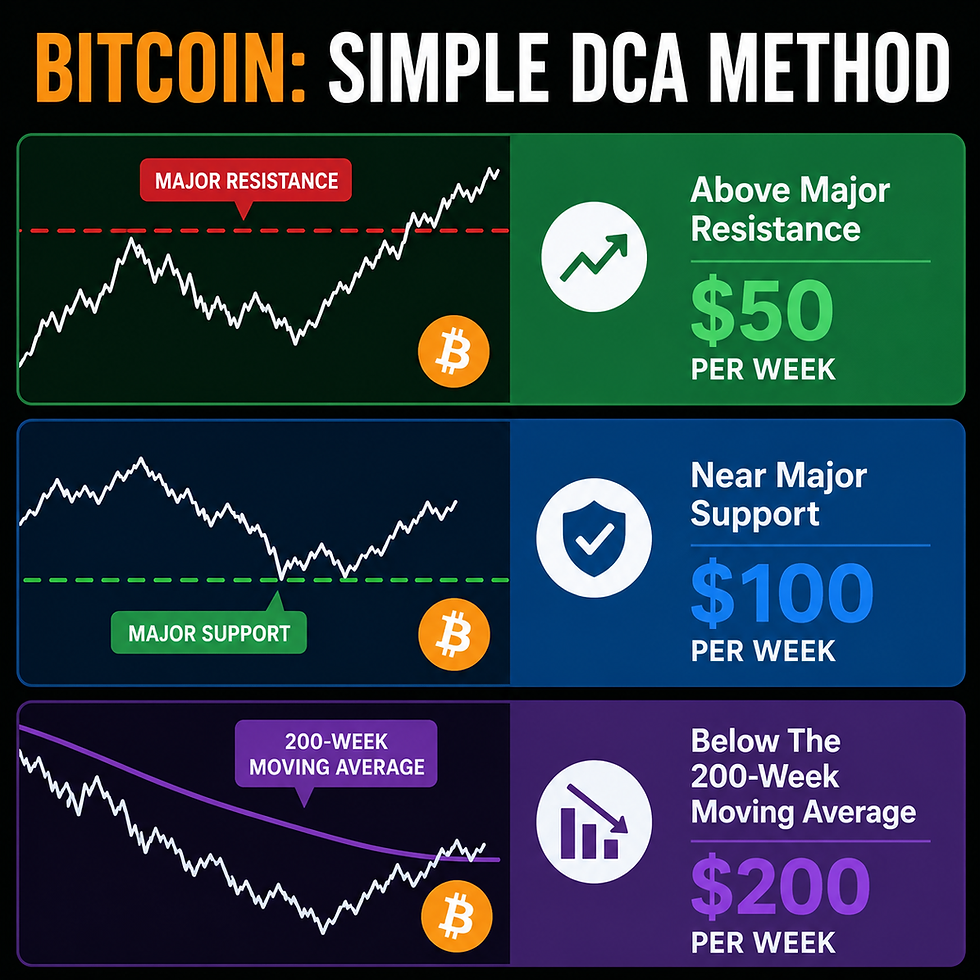
Dollar-Cost Averaging (DCA)
Investing a fixed amount regularly, regardless of price, helps reduce the impact of volatility and removes the stress of timing the market.
Portfolio Rebalancing
Periodically review your holdings and adjust allocations to maintain your desired risk profile. For example, if Bitcoin grows to represent too large a share of your portfolio, you might sell some to buy other assets.
Yield and Liquidity Strategies
If you’re interested in DeFi, explore yield farming and liquidity provision cautiously. These can offer attractive returns but come with smart contract risks and impermanent loss.
Keep Learning and Experimenting
The crypto space evolves rapidly. Stay curious, test new ideas with small amounts, and document your experiences. Transparency and reflection will help you grow as an investor.
Starting your crypto investment journey doesn’t have to be overwhelming. By focusing on education, risk management, and practical strategies, you can build a foundation that supports long-term success. Remember, this is a marathon, not a sprint.
If you want a structured approach to learning more, I highly recommend exploring a beginner guide to cryptocurrency investing that breaks down the essentials in an easy-to-understand way.
Happy investing, and may your crypto journey be both rewarding and enlightening!

Comments