


Maximizing Success with DeFi and Crypto Investment Approaches

Diving into the world of decentralized finance (DeFi) and cryptocurrencies can feel like stepping into a vast, complex jungle. As someone who’s both an educator and an active investor, I’ve learned that success here isn’t about chasing every shiny new token or hype cycle. Instead, it’s about building a solid foundation of knowledge, applying disciplined strategies, and understanding the risks and rewards with clarity. Today, I want to share practical insights and approaches that can help you navigate this exciting space with confidence.
Understanding Crypto Investment Approaches: Why They Matter
Before we get into the nuts and bolts of DeFi and crypto, let’s talk about why having a clear investment approach is crucial. Imagine you’re setting out on a road trip without a map or GPS. You might get lucky and stumble upon your destination, but chances are you’ll waste time, fuel, and patience. Crypto markets are notoriously volatile and fast-moving, so having a plan helps you avoid costly mistakes and emotional decisions.
There are several common approaches to crypto investing:
HODLing: Buying and holding assets long-term, betting on their future value.
Active Trading: Buying and selling frequently to capitalize on price swings.
Yield Farming and Liquidity Mining: Providing liquidity to DeFi protocols in exchange for rewards.
Diversification Across Assets and Strategies: Spreading risk by investing in different tokens and methods.
Each approach has its pros and cons. For example, HODLing is simple and less time-consuming but may miss out on short-term gains. Active trading can be profitable but requires skill, time, and emotional discipline. Yield farming offers attractive returns but comes with smart contract risks and impermanent loss.
The key is to align your approach with your goals, risk tolerance, and time commitment. For many, a hybrid strategy combining long-term holds with selective DeFi participation works well.

Practical Crypto Investment Approaches for Beginners and Intermediates
Now that we understand why a strategy matters, let’s explore some practical approaches you can start applying today.
1. Start with Core Holdings
Think of your crypto portfolio like a balanced meal. You want a solid base of nutritious staples before adding spices and sides. For most investors, this means holding well-established cryptocurrencies like Bitcoin and Ethereum. These assets have the longest track records and the broadest adoption.
Why? Because they tend to be less volatile than smaller altcoins and serve as a foundation for your portfolio’s growth.
2. Explore DeFi Opportunities Cautiously
DeFi protocols offer exciting ways to earn passive income through staking, lending, and liquidity provision. However, they also carry risks like smart contract bugs, platform insolvency, and regulatory uncertainty.
Start small. Use reputable platforms with strong security audits and transparent teams. For example, you might stake Ethereum on a trusted protocol to earn interest or provide liquidity to a stablecoin pool.
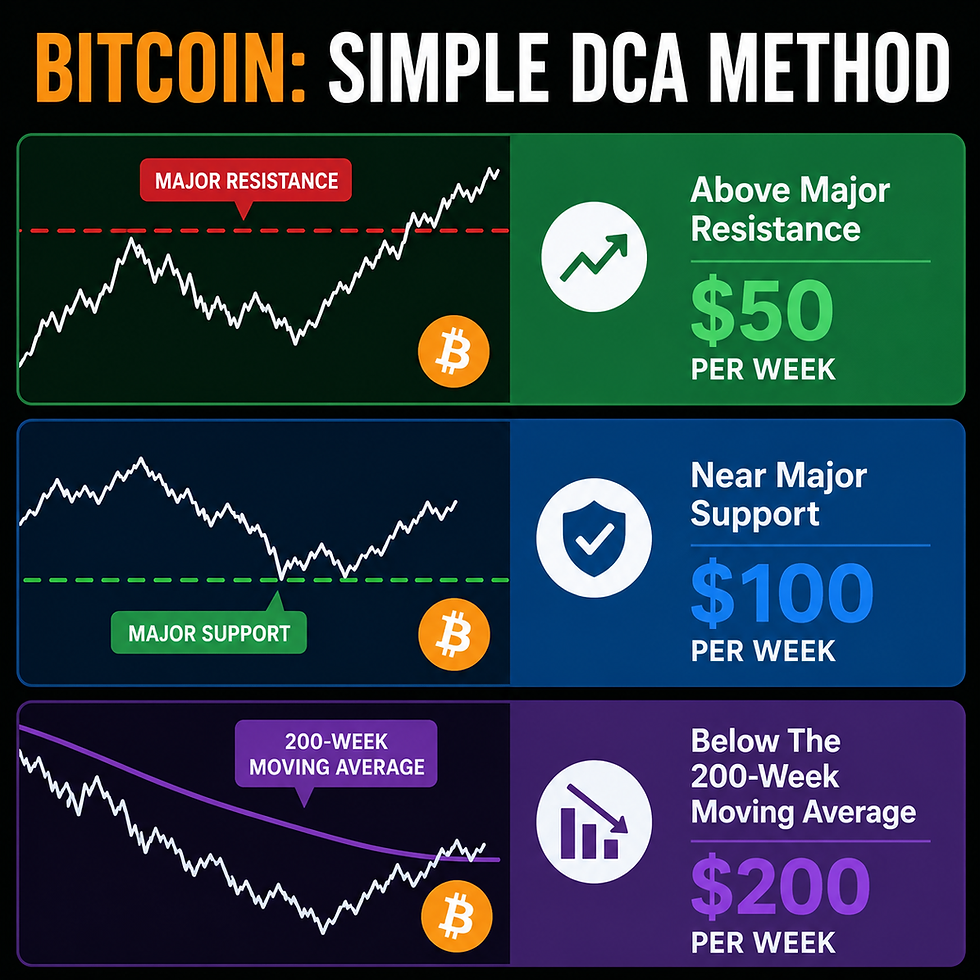
3. Use Dollar-Cost Averaging (DCA)
Instead of trying to time the market perfectly (which even pros struggle with), consider DCA. This means investing a fixed amount regularly, regardless of price. Over time, this smooths out the impact of volatility and reduces emotional stress.
4. Keep Learning and Experimenting
The crypto space evolves rapidly. New protocols, tokens, and technologies emerge constantly. Dedicate time to research and experimentation. Use testnets or small amounts of capital to try new strategies without risking your entire portfolio.
5. Manage Risk Actively
Set clear rules for when to take profits or cut losses. Use stop-loss orders if you trade actively. Avoid putting all your funds into a single asset or protocol. Remember, no investment is risk-free.
By combining these approaches, you build a resilient portfolio that can adapt to changing market conditions.
Is XRP a DeFi Platform?
This question pops up often, so let’s clear it up. XRP is a digital asset created by Ripple Labs, primarily designed for fast and low-cost cross-border payments. It operates on the XRP Ledger, which is a decentralized blockchain network.
However, XRP itself is not a DeFi platform. DeFi platforms are decentralized applications (dApps) that enable financial services like lending, borrowing, trading, and yield farming without intermediaries. While the XRP Ledger supports some decentralized features, it doesn’t have the same ecosystem of DeFi protocols as Ethereum or Solana.
That said, the XRP Ledger is evolving, and there are projects exploring DeFi-like capabilities on it. But if you’re looking to engage in DeFi activities, Ethereum, Binance Smart Chain, Solana, and others currently offer more mature ecosystems.
Understanding these distinctions helps you avoid confusion and focus your efforts where the opportunities are strongest.

Building Confidence with Research and Real-World Experimentation
One of the best ways to become a confident investor and DeFi user is through hands-on learning. Theory is important, but nothing beats real experience.
Here’s a simple framework I recommend:
Research Thoroughly: Before investing or using a new protocol, read whitepapers, audit reports, and community feedback. Look for transparency and developer activity.
Start Small: Use minimal amounts to test the waters. This reduces risk while you learn.
Track Your Results: Keep a journal or spreadsheet of your investments, yields, and lessons learned.
Adjust Your Strategy: Based on your experience, tweak your approach. Maybe you prefer staking over liquidity pools, or you want to diversify more.
Stay Updated: Follow trusted news sources, join educational communities, and keep an eye on regulatory developments.
This process turns investing from guesswork into a disciplined practice. It also helps you build a portfolio tailored to your unique goals and risk appetite.
Leveraging Technology and AI in DeFi and Crypto
The intersection of AI and DeFi is an exciting frontier. AI-powered tools can help analyze market trends, optimize portfolio allocation, and even automate trading strategies.
For example, some platforms use machine learning to predict price movements or identify arbitrage opportunities. Others offer AI-driven portfolio rebalancing to maintain your desired risk profile.
While these tools can enhance your strategy, remember they are not magic bullets. Markets are influenced by unpredictable factors, and AI models have limitations. Use them as aids, not crutches.
Integrating technology thoughtfully can save time and improve decision-making, but always maintain a critical eye and understand the underlying logic.
Your Next Steps Toward Long-Term Success
Maximizing success with DeFi and crypto investment approaches is a journey, not a sprint. It requires patience, curiosity, and a willingness to learn from both wins and losses.
If you want to deepen your understanding and access practical frameworks, I encourage you to explore resources like defi and crypto strategies. They offer evergreen education and research designed to help everyday investors become more confident and capable in this dynamic space.
Remember, the goal is not just to make quick profits but to build sustainable wealth through informed decisions and disciplined execution.
Stay curious, stay cautious, and enjoy the ride. The future of finance is unfolding before us, and with the right approach, you can be part of it.
Happy investing and learning!

Comments